
Sephiria boss guide: attack patterns and preparation
A framework for documenting boss patterns, safe windows, and build preparation without presenting unverified damage numbers as fact.

What the official page confirms
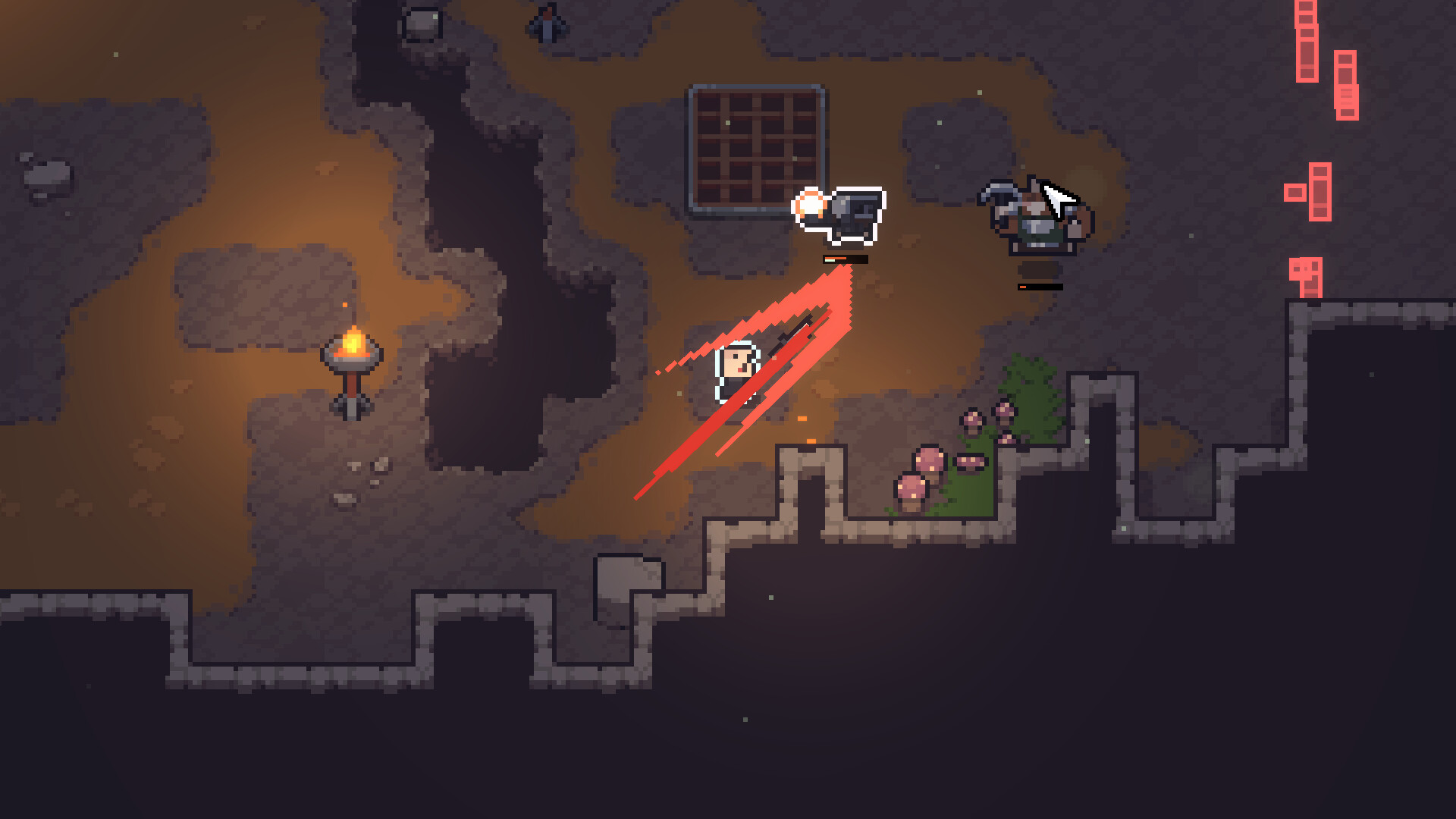
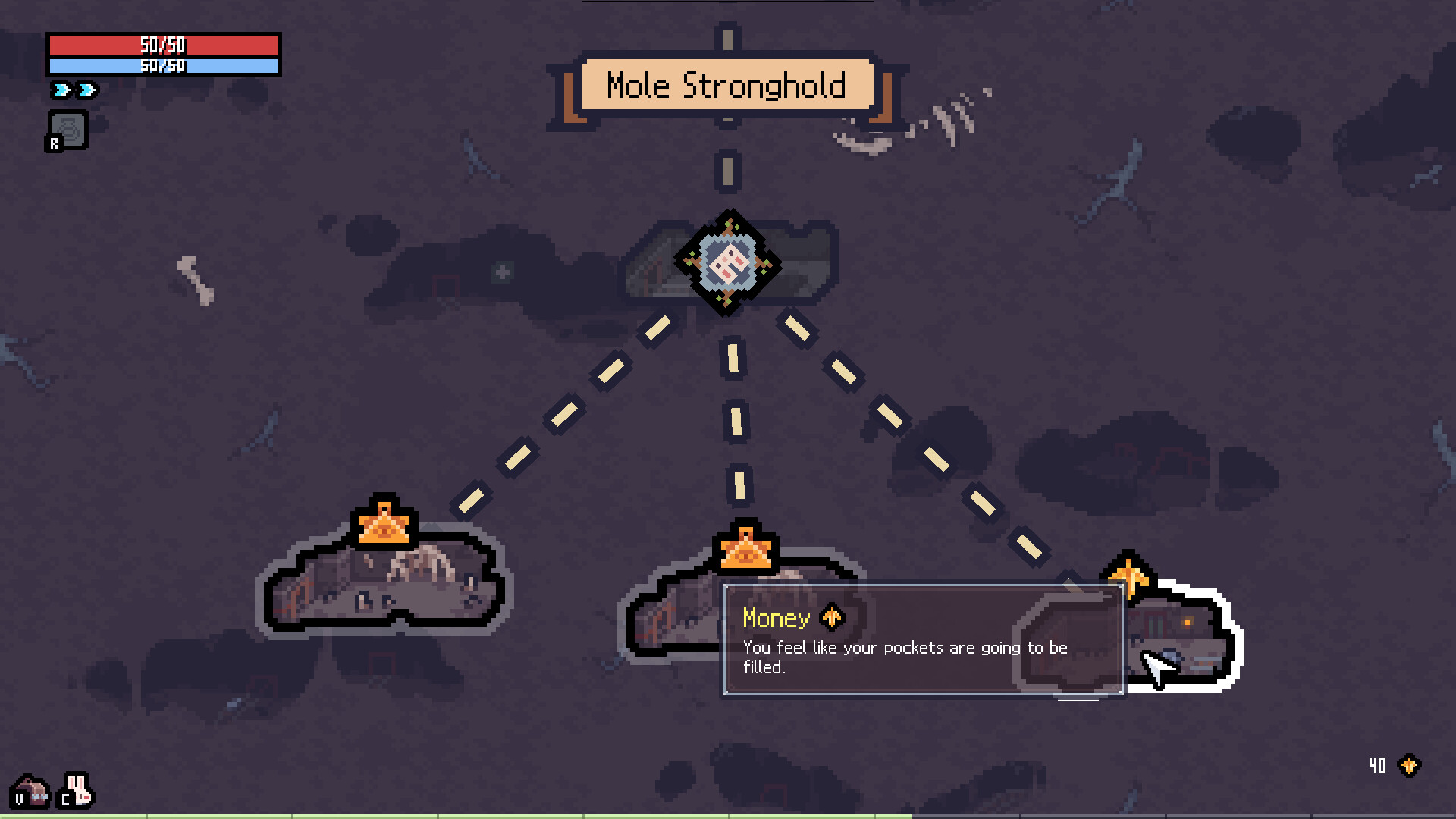
Sephiria has more than ten unique bosses across a six-chapter journey. The store page also describes four-player co-op, so boss pages should explain both solo spacing and how extra players change attention and revive risk.
Build a useful boss entry
Each entry should separate readable attack cues, movement advice, punish windows, and preparation. A good boss page answers what to watch, when to stop attacking, and which resource should be saved for the final phase.
Verify before publishing numbers
Do not publish exact health, damage, drop, or phase thresholds from an old guide without a current capture. Link the run video or screenshot that supports the claim and label the game version.
Read the attack before the damage
A boss guide should name the visual cue, the safe movement, and the moment to stop attacking. Players usually lose a run by staying for one extra hit, not because they lack a theoretical damage number.
For every phase, separate the attack that forces movement from the attack that creates a punish window. That distinction turns a clip into a repeatable lesson.
Solo and co-op preparation
Solo players need a reliable escape and enough damage to shorten danger windows. Co-op teams need a regroup point and a revive owner because extra bodies also create extra targets and visual noise.
Record the difficulty, weapon route, and version with every boss clear. Do not promote one fast clear to a universal build without those conditions.
The boss-page evidence standard
Every boss entry should open with the direct player question: what is the cue, where is the safe space, and when is it safe to attack? A clip can support timing, but the written guide must describe the decision in plain language so it still works when a player cannot pause the game.
Record a clear only after noting the chapter, difficulty, weapon, key grid line, and whether the attempt was solo or co-op. Drops, health values, and attack names should remain unfilled until they are visible in the current client or an official note.
A five-line boss entry
Keep each encounter readable: telegraph, movement response, punish window, preparation, and co-op adjustment. This format lets a player scan the answer while practicing rather than scrolling through an unstructured story. If an attack has two variants, show the visual difference first and only then mention damage or timing.
The most valuable update after a patch is usually one changed cue or one changed preparation choice. Updating that small section immediately is better than rewriting a boss page with untested conclusions.
Campaign boss preparation map
The game has six chapters and more than ten bosses. The named route markers here are community-reference labels; confirm the current encounter name in your client before adding exact attack values.
| Chapter | Route marker | Preparation focus |
|---|---|---|
| 1 · Mole Base | Blackhand Mogdi / Ordner | Learn red telegraphs, pit awareness, and a single stable weapon line. |
| 2 · Grassland | Lataka / Lerid | Practice ranged pressure and do not stack in the centre. |
| 3 · Library | Erma / Pantaxis | Make tablet adjacency and recovery windows part of the build. |
| 4 · Wasteland | Askard | Use Side Bag swaps and assign co-op space or revive roles. |
| 5 · Root Cave | Qliphoth | Bring a grid that survives long pressure instead of only a boss burst. |
| 6 · Finale | Final boss | Preserve movement space, consumables, and a phase-specific burst plan. |
Use this guide in a run
- 01Prepare outside the door
Set the grid, Side Bag, healing margin, and difficulty before entering.
- 02Name the telegraph
Learn the visual cue before deciding whether the move is safe to punish.
- 03Take one window
Use the shortest reliable punish, then leave before the next phase cue.
- 04Review the run
Record the attack that forced movement and the resource that saved the clear.
Before you commit to this route
- Identify the visual cue before naming the attack
- Separate forced movement from punish windows
- Record difficulty, weapon, and version
- Explain solo spacing and co-op regrouping
Quick answers
How many bosses are in Sephiria?
Steam describes more than ten unique bosses across a six-chapter journey. Exact encounter names and values should be verified in the current client.
What should I prepare before a boss?
Confirm the active tablet line, healing margin, one defensive reset, and the resource reserved for a short burst window. In co-op, also assign a regroup point and revive owner.
Should I keep retrying a boss with the same failed build?
Review the first mistake in the attempt. If the issue is an unread cue or bad movement, practice the pattern; if the grid is inactive or consumables are gone, fix the route before retrying.