
Sephiria hidden rooms and secret rooms
How to recognise cracked walls, what a secret room can contain, and why older discovery notes need a current-version check.

Look for the crack
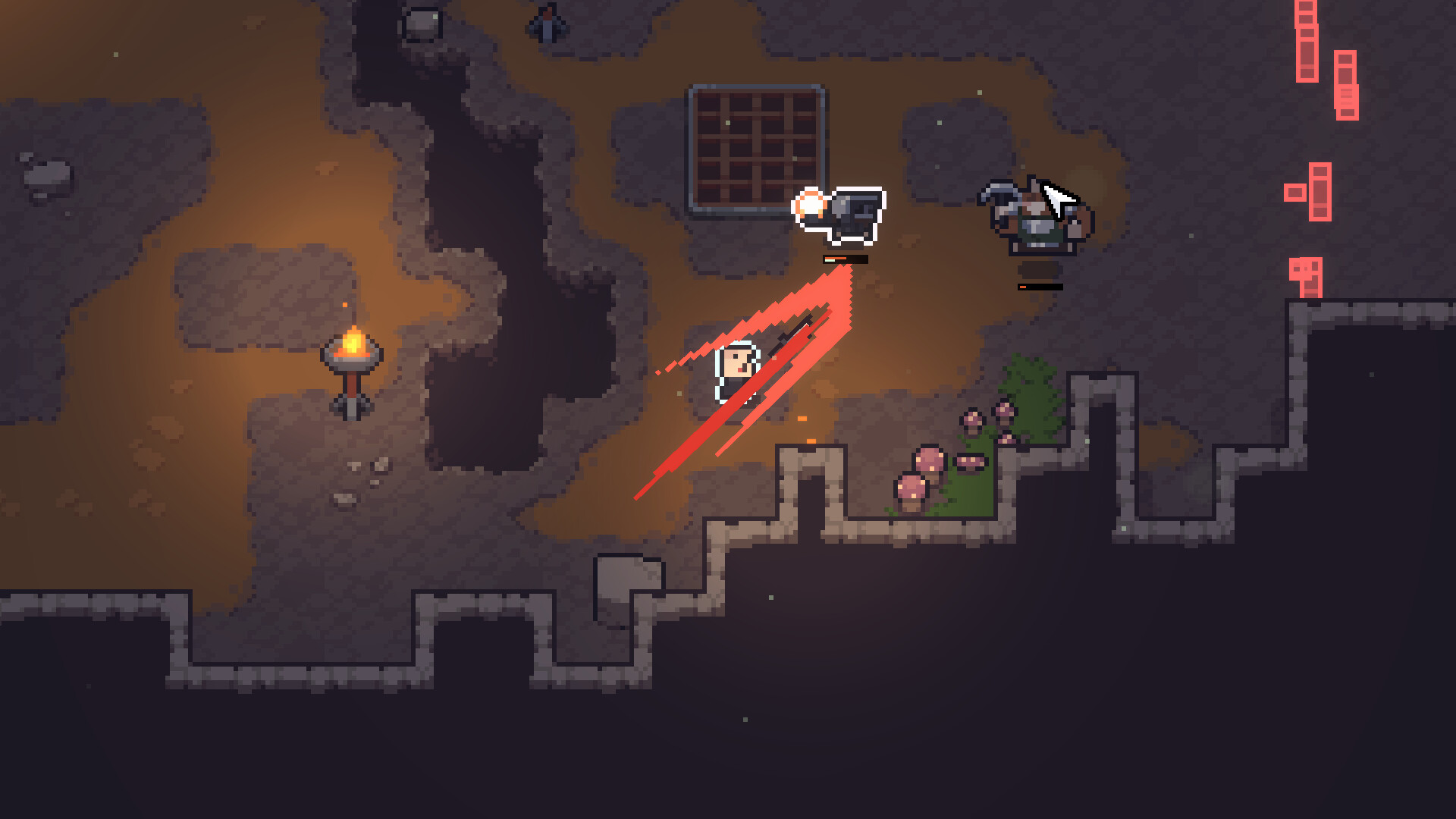
The Steam Community guide says secret rooms are signaled by subtle cracks in dungeon walls, often near the top of a wall. Strike the cracked section to reveal the passage, then confirm that the room appears on the map.
The same guide notes that the passage itself may not be shown on the map, so the discovery notification and the room marker matter more than the visible route line.
Why search every floor
The guide lists possible rewards including money boxes, artifacts, tablet rewards, dice, and rare potion boxes. Treat the room as an opportunity rather than a guaranteed item table; record the result and current version when you test it.
Evidence standard
Because the available guide is pre-1.0, this page should keep a screenshot for every claimed wall location and avoid promising an exact reward until the current release has been checked.
A repeatable search pattern
Scan the outer wall before leaving a room, especially near corners and the upper edge where a crack is easy to miss. Attack suspicious sections once, then check the map and discovery notice before moving on.
Do not spend a full run chasing one room after the route becomes unsafe. The search is valuable because it can reveal progression items, but it should not replace a stable clear plan.
Document the room, not just the reward
A useful secret-room entry includes the floor, wall position, screenshot, trigger, and reward observed. Reward tables can change; the visual clue and the route context are the durable information.
Keep pre-1.0 findings in a separate historical note until a current client run confirms them.
Use this guide in a run
- 01Scan the boundary
Check corners and suspicious wall sections before leaving a safe room.
- 02Confirm the trigger
Record the hit, notice, and map result instead of assuming every crack behaves the same.
- 03Take the safe reward
Do not trade a stable clear for one optional room once the route becomes dangerous.
- 04Capture the evidence
Save floor, position, screenshot, and version so another player can reproduce it.
Before you commit to this route
- Scan the wall or route before leaving the room
- Capture the clue, trigger, and map result
- Record the reward without treating it as guaranteed
- Keep old-version discoveries clearly labeled