
Sephiria strongest build: how to judge a real meta setup
A test-driven way to compare strong Sephiria builds without turning one old clear video into a permanent tier list.

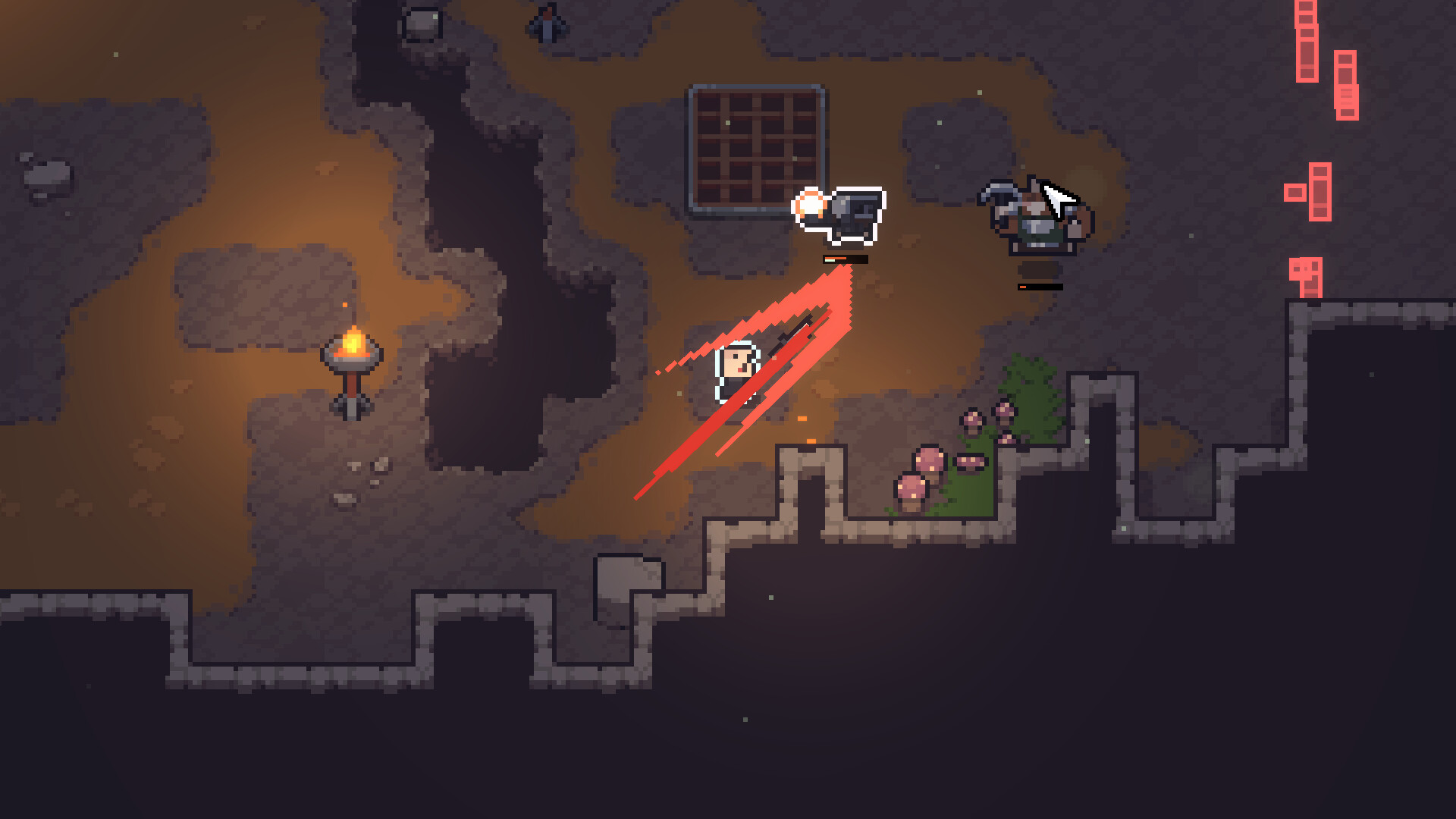
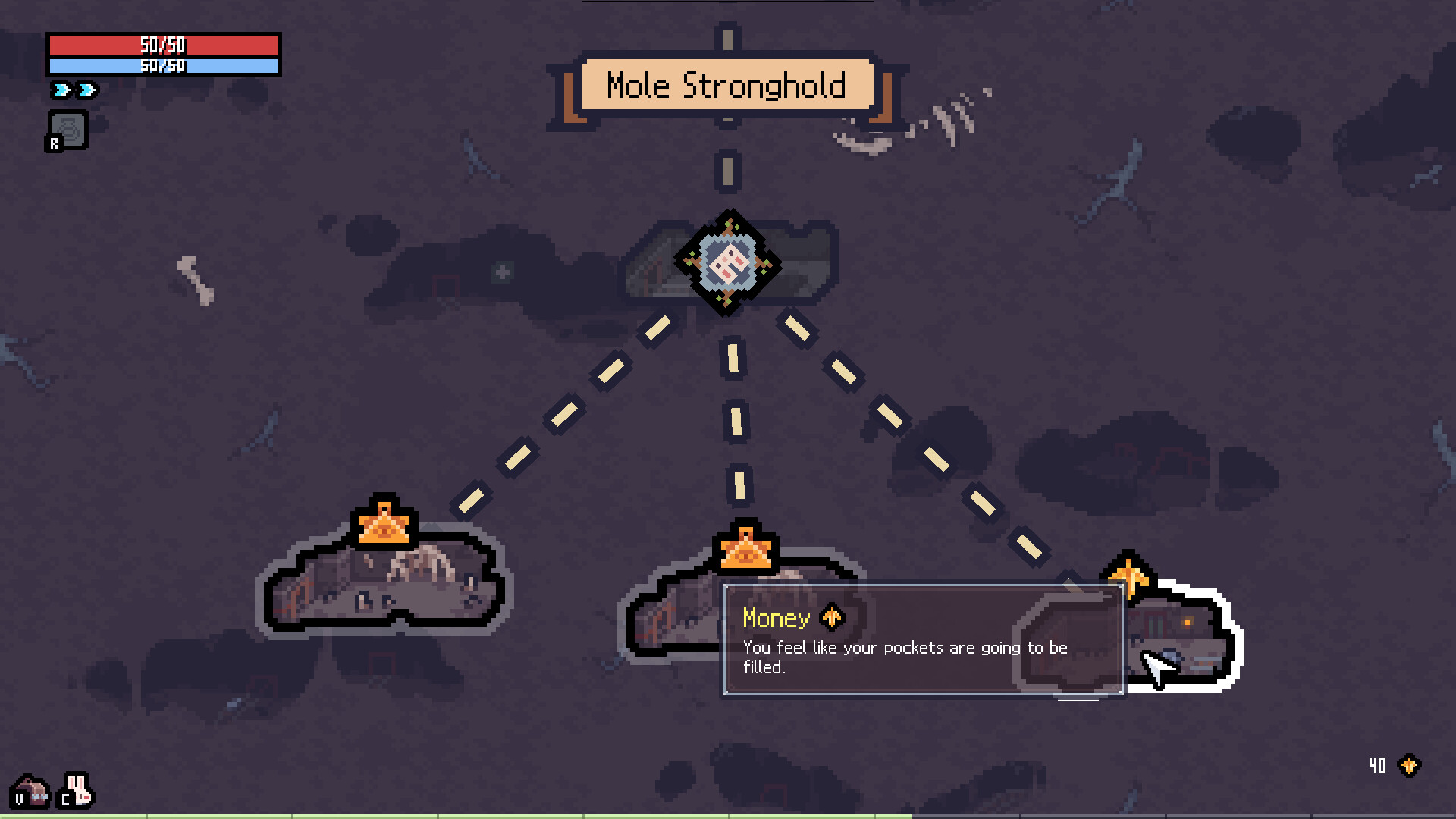
Strongest is a test result
A strongest-build page should report the conditions behind the result: weapon path, artifact and tablet requirements, difficulty, solo or co-op, and the patch used. Without those fields, a high-damage clip is inspiration rather than a reproducible build.
The official store page confirms that weapons, artifacts, tablets, and inventory arrangement all shape a run, so a meta claim must include more than a weapon name.
Use three benchmarks
Compare room clear speed, survival in a crowded room, and boss-phase consistency. A build that wins one benchmark but fails the other two should be labeled specialist, not strongest overall.
Keep a screenshot or video beside the result and record what was not tested yet.
Recommended page format
Lead with the version and the minimum setup, follow with the rotation, then list alternatives for players missing one artifact. This gives the searcher an answer they can actually use instead of a single score.
Define the test before the tier
A strongest-build claim needs a target: story clear, hard-mode push, boss speed, or safe co-op farming. The winner can change with the target, player skill, and patch.
Publish the minimum setup, the rotation, the substitutions, and the part of the run that still needs testing. That makes the page honest and reproducible.
Use community results carefully
Recent player discussions are useful for finding combinations worth testing, such as solar-blade, staff, crossbow, and companion routes. Treat them as leads, not official balance data, and keep the player’s version and difficulty beside the result.
A build that clears one run is a candidate. A build that survives repeated rooms and bosses under the same conditions is evidence.
Use this guide in a run
- 01Name the goal
Decide whether the route is for first clear, Hard Mode, boss damage, or co-op support.
- 02Lock the core
Choose the weapon action and the artifact or tablet line that makes it repeatable.
- 03Protect replacements
Keep a damage, survival, and room-control fallback for runs that miss the ideal drop.
- 04Test three rooms
A build is ready when it works in a normal room, a crowded room, and a boss window.
Before you commit to this route
- Name the repeatable action the build is built around
- List the core item and two realistic replacements
- Test a normal room, a dense room, and a boss window
- Record difficulty, version, and solo/co-op context